by rossanahead | Mar 16, 2011 | grandparenting, Jing Lejano, parenting, woman
By Jing Lejano
At 43, I never thought that I’ll be singing ABCs, reciting 123s, and wondering what all those twinkling stars are doing tonight. But here I am doing nursery whatnots 13 years after my youngest son was born.
I was already on teen mode.
I am way past the sleep-deprived mommy phase of the baby years when you can’t get four straight hours of sleep because your little one is hungry—again. Today, my kids would eat just about anything. And fortunately for me, they know their way around the kitchen. No need for mommy to get up early in the morning to make breakfast.
I am past all the angst and agony of separation anxiety when your preschooler grabs your knee every time you step out the door. Today, my kids are all too happy when I have to go out of town. If I’m gone for just two days in fact, they’d even ask, “Back so soon?” Those rascals!
I am past the stage where I worry about meeting development milestones, height averages, and weight standards. Today, my kids are healthy and strong. And my boys are all taller than me—which doesn’t mean I can’t raise my voice and stand my ground when they don’t come home on time or they don’t wash the dishes when it’s their turn.
And so, when I became a grandmother at 41, I had this very scary nightmare that I’d have to go through all those things again. I actually lost sleep thinking I might not get enough sleep—again.
I needn’t have worried. My daughter is a good mother, and she’s an even better daughter because she didn’t ask her mother to do the mothering for her.
What I like best about being a Lula at 43 is that I get to do the fun part of mothering. Sophie and I eat ice cream, sing with Barney, and dance to Sheryl Crow. In the mornings, she greets me with a big fat kiss. In the afternoons, we cuddle up on the couch, watching Mickey Mouse. In the evenings, we play ball under the moonlight. I have so many other things that I want to do with her, so many things I want to teach her. I can’t wait!
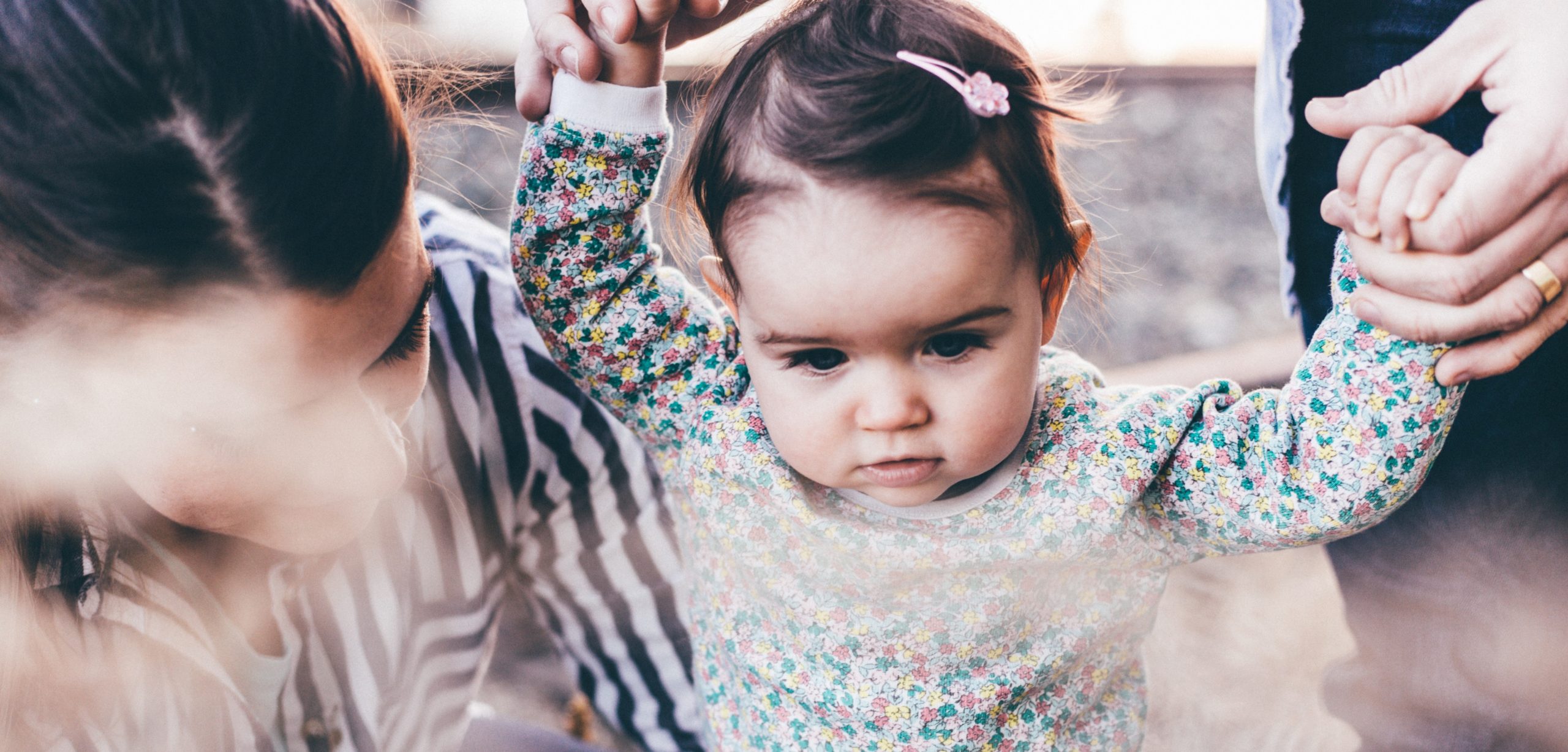
Photo by Priscilla Du Preez on Unsplash

by rossanahead | Mar 15, 2011 | Education, Mari-an Santos, woman
By Mari-An C. Santos
A year ago, when anyone asked me what my sport was, I had to stop and think, then say quite sheepishly: “I know how to swim and bike. I sometimes trek up mountains but nothing regular. Yoga isn’t a sport, is it?”
Nine months ago, three friends and I dared to enter the world of kickboxing. We thought that we were just going to bob up and down to upbeat music while simulating kicks and punches like a montage from a movie. And so we readily agreed.
At the gym, we punched, kicked, and hit the air with our elbows and knees. The result was a lot of huffing and puffing and begging, neigh pleading, for water breaks. But we were determined not to throw in the towel. An hour and a half later, we were actually filling out membership forms. Was it peer pressure? Overdose of happy hormones? Who knows? We were actually signing up for more torture, I mean, lessons.
The four of us made up the “girls class.” We moaned and groaned and complained but we always finished the class anyway. We invited more friends and our little band increased.
When I went to Thailand last year, Ricky, the gym owner, referred me to a friend who he had met when he competed in Muay Thai there. Believe it or not, I underwent Muay Thai training in the land of its birth—twice.
A lot has changed since then. Some classmates have become too busy to attend, one moved to Los Baños where she joined another Muay Thai gym, we have new trainers. I have stuck to it. It’s not just because of the noticeable weight loss or my improved strength and endurance. I’m in the best shape I’ve been since, maybe grade school when we did a lot of outdoor activities. But more importantly, kickboxing has helped me discover a part of myself that I never knew existed.
Photo by bruce mars on Unsplash
by rossanahead | Mar 14, 2011 | children, Education, woman
By Bubbles Salvador
My son is barely two and people have been asking me, “Where are you sending Luis to school next year?”
I remember very little about my preschool years but I do know that I was only in a kindergarten class before I went to first grade. I didn’t even attend nursery class like most of my classmates did. Although I didn’t graduate a cum laude from college, I think I’m okay.
So you understand the baffled look on my face when people would ask me that question. “But he’ll only be three!” I’d say. And then sometimes I would get these mortified looks that seem to say, “Que horror! You mean you’re not sending your son to playschool?”
I know of moms who sent their kids to school at two years old, and the kids are turning out to be brilliant. On the other hand, a guy I know only went to preparatory class before first grade, and he placed tenth in the medical board exams after college. I think the cliché “case to case basis” applies here.
So what will it be for Luis? The truth is, I don’t know. Yet. It seems horrible for a parent not to have any plans for her child’s education. But the question of whether we are sending him to playschool at three years old is something my husband and I are still mulling over.
There’s this mom I know who started home schooling her son when he was three, before she sent him to a regular preschool. I have to say that this is a tempting, not to mention a very inexpensive, option. I heard that the tuition fee in playschools could run up to a hundred thousand per year.
Oh, but lucky for us, we have one more year. How about we wait and see?
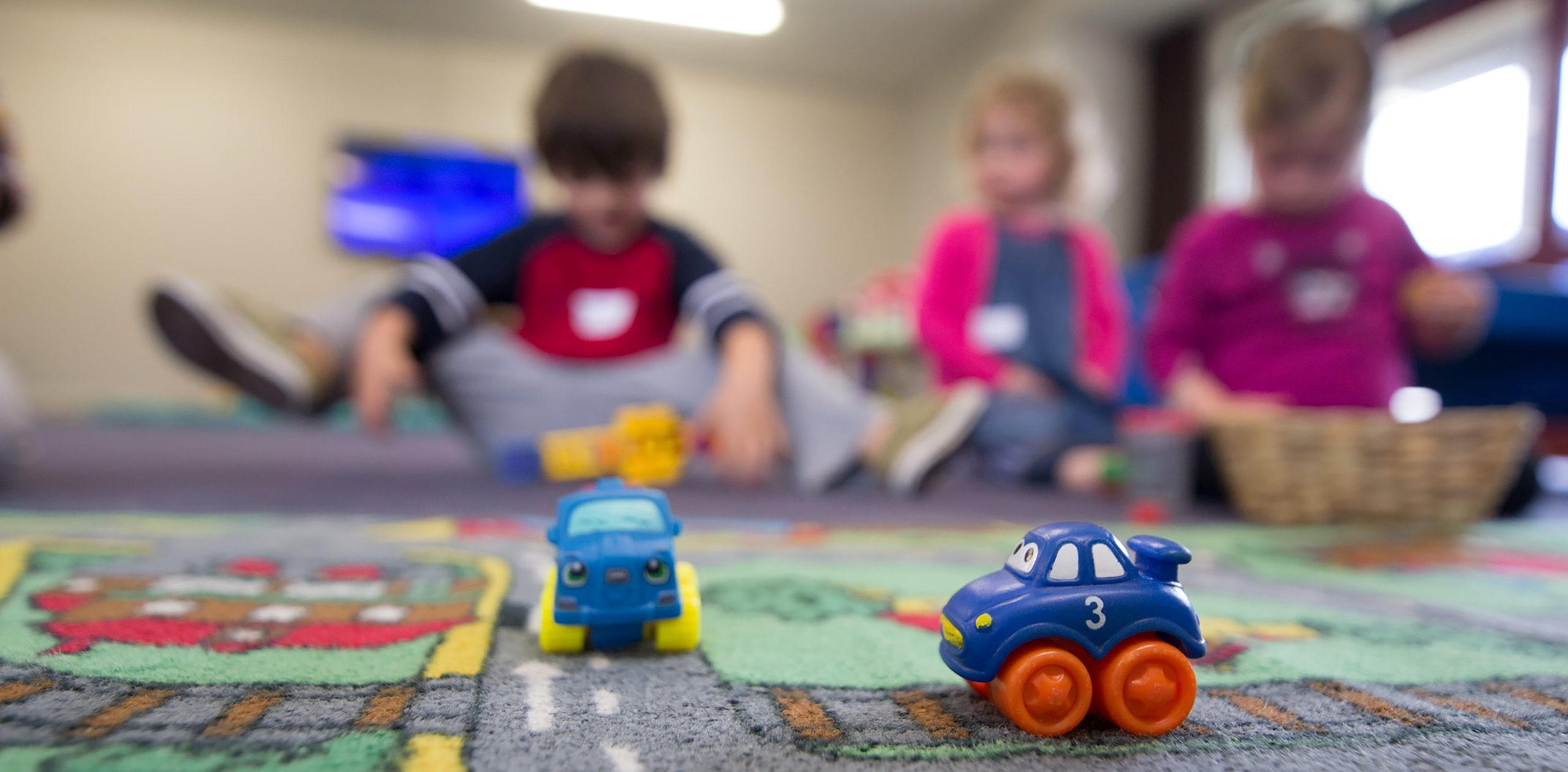
Photo by BBC Creative on Unsplash
by rossanahead | Mar 13, 2011 | Education, Gina Abuyuan, parenting, woman
By Gina Abuyuan
Traditional or progressive schools—what’s best for your child?
I am obviously an advocate of the more “progressive” route. Some parents even call it “un-schooling.” My teen goes to a high school that focuses on junior entrepreneurship; my twins attend a blended schooling program that puts together the experience of classroom, online, and homeschooling. I don’t believe that rote memorization or rules to conform will make my children achieve their best potential.
However, progressive schools aren’t for all; depending on what you envision your child to be in the future, among others, he or she may just fit in a traditional school.
Consider:
- Your child’s personality. Many counselors, educators, and human resource experts usually refer to the Myers-Briggs Type Indicator assessment to determine what tasks or duties best fit individuals (it’s also got a version for pre-teens). Your child can be an extravert, intravert, sensing, intuitive, thinking, feeling, judging, or perceiving type. Extraverts like to talk and thrive in groups, which may make them shine better in bigger classes; intuitive types do well in environments that encourage original ways to solve problems (which is offered by non-trad schools). Kids who are “feeling” like to relate to other people and dislike teachers who are distant; judging types are organized who have no problem with defined tasks, which is clearly apparent in traditional environments.
- What matters to you? Traditional schools offer standardized tests to know your child’s educational standing. Kids are grouped by age and academic standing. Since traditional schools’ names are already established, they offer the appeal of more job opportunities later on. If you and your husband are of the type to value social connections, or acknowledge what “the old boy network” can offer, then traditional schools may just be for you.
- Your time. Progressive schools call for a lot of parent involvement. As I said in my previous post, I’m quite hands-on and take my kids out on self-imposed field trips to give them the experience that the classroom is beyond the four walls of whatever school building or institution. But I can do this because I work from home and my schedule is flexible. When I was working fulltime, I let the teachers do the teaching. Even when my daughter was going to a progressive school, I seldom sat down with her to discuss her lessons. I did go to school activities, but that was it.
- Your child’s cues. If you can see your child enjoying going to a traditional school, if he isn’t dragging his feet and complaining and making excuses not to go, then that means he’s happy and content. But, if he displays any extreme behavior—“ cannot cope in his current classroom setup…a highly populated school or one with conventional rules and regulations; is having academic performance difficulties; is disruptive or disorderly…; shows signs of emotional maladjustment such as anxiety, loss of sleep or loss of interest,” according to an article written by Karisma Kasilag for HIPP Magazine—it’s time to switch.
Good luck!
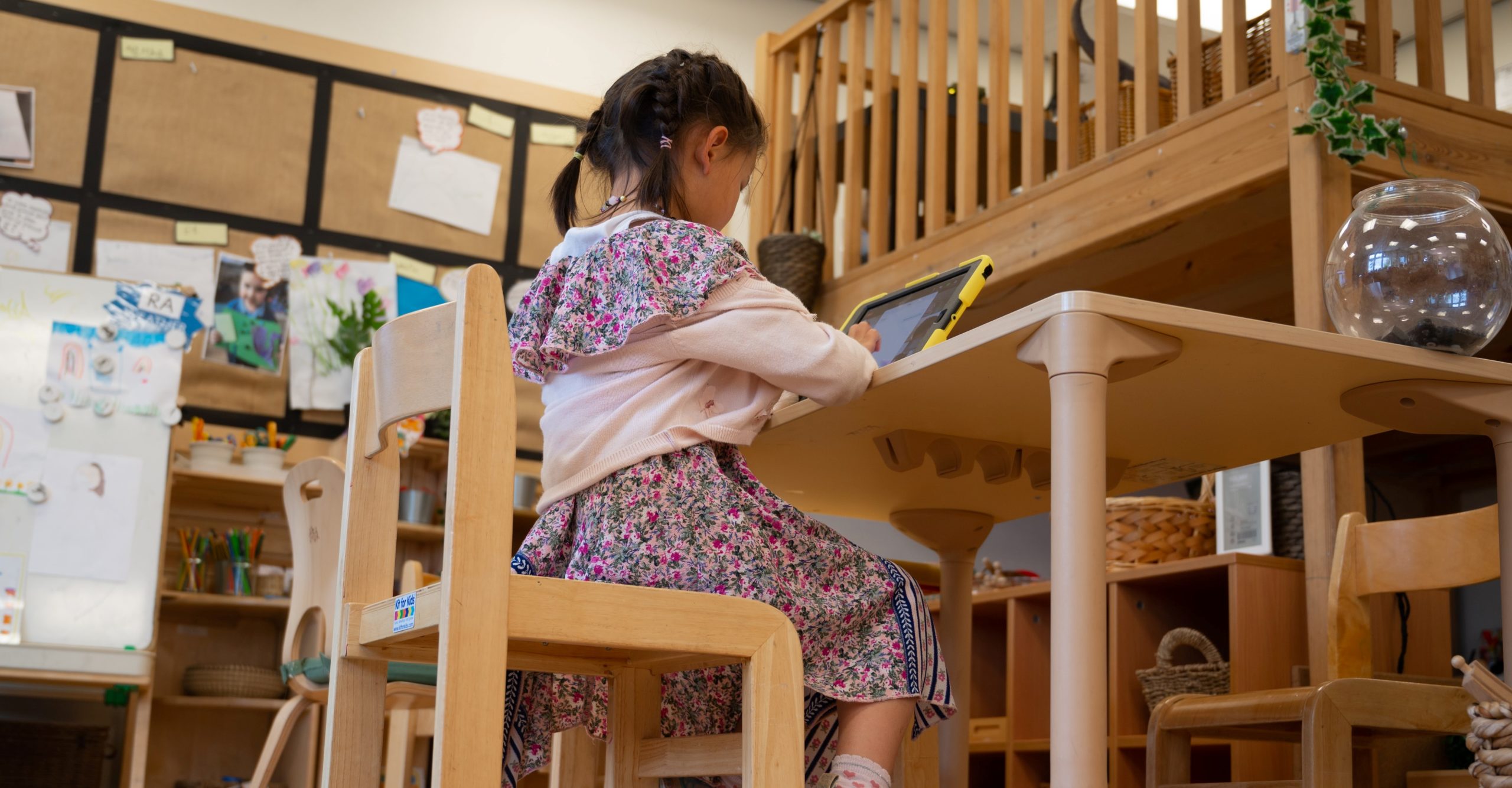
Photo by Andy Falconer on Unsplash
by rossanahead | Mar 9, 2011 | Education, Gina Abuyuan, parenting, woman
By Gina Abuyuan
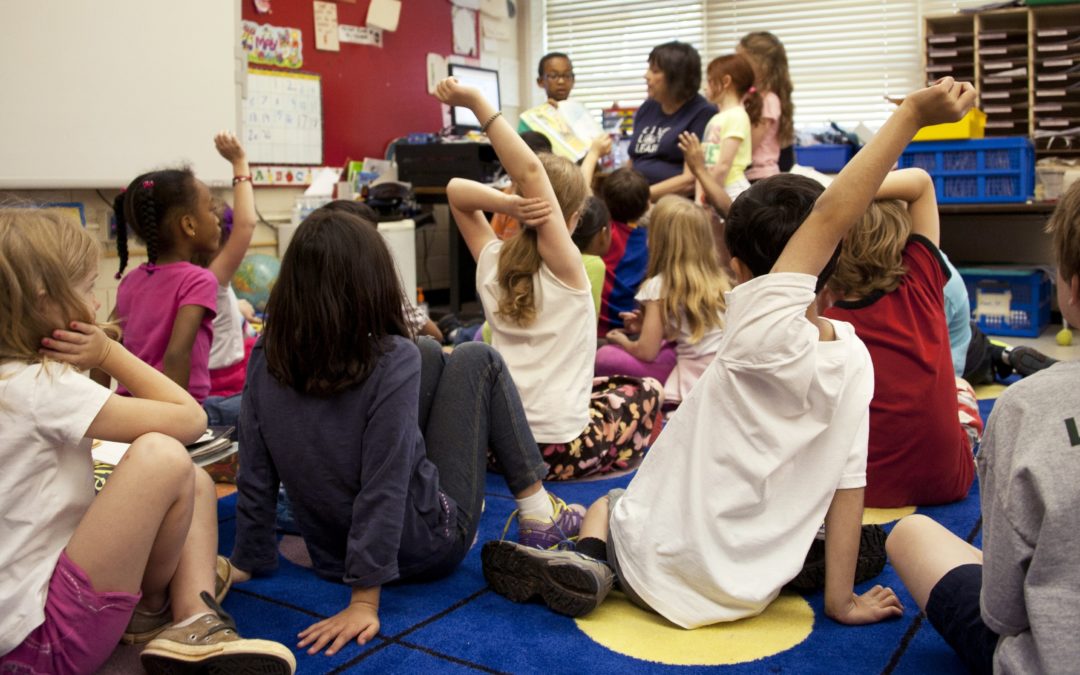
On my Facebook account, I recently posted an old article we ran in the now defunct HIPP (Happy, Intelligent, Progressive Parenting) magazine. It’s about choosing between traditional and progressive schools, and how to find the perfect fit for your child.
Surprisingly (well, to me at least), it earned quite a response: parents who had already decided on a route, parents embarking on the new journey of school-hunting, even non-parents threw in their two-cents’ worth on the subject. It was clearly a much-talked about topic among the Gen X and Gen Y parents; this issue didn’t even exist during our parents’ (the baby boomers) time. All our folks knew was that their kids were going where THEY went to school—it was to continue a “tradition,” which may or may not have afforded their kids (us) the best environment where we could shine. It was a different time and world: kids were boxed in a certain mold of being “smart,” and sometimes assigned the label of “not-so-smart” if he or she didn’t fit in that mold or expectations of society. Excellence was measured by the ability to memorize facts and sticking to the rules without the added value of critical thinking. Learning was limited to the four corners of the classroom—and perhaps extended to the home, but under a tutor’s guidance.
But that was then, this is now.
Gen X and Gen Y parents have so much access now to so many different kinds of education and learning. There are so many different ways to make a child thrive intellectually, socially, psychologically, physically. Obviously, I advocate non-traditional schooling. All my kids attend progressive schools. My seven-year-old twins attend a blended program—I like to call it semi-homeschooling—which gives them two days of “school,” learning under teachers who teach them the regular required DepEd subjects, and one day of enrichment classes (art, nature appreciation, writing). The rest of the week is spent learning with me—not hunched over textbooks and quiz papers, but doing online math games, going on virtual tours of the MOMA, or plain going out on self-imposed field trips. Some can even call it un-schooling.
The point is that I get as involved as I can in their learning and am witness to the beauty of wonder in their eyes and their rapt attention as we walk through Intramuros or the Manila Seedling Bank or wherever. More often than not, I learn alongside them. I personally believe it’s a path every parent should try, at least for a year.
Of course, non-traditional schooling is not for every child, or for every parent. Deciding on the manner of education that you give your child will have to be in line with your values as a family, and your children’s personal inclinations.
More on that in my next entry.
Featured Photo by CDC on Unsplash